
WHAT IS HYDROSEEDING?
What Is Hydroseeding?
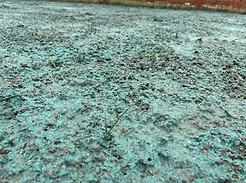
Hydroseeding is a modern method of planting grass by spraying a mixture of grass seed, mulch, fertilizer, soil conditioners, and water onto prepared soil. The mixture—called a slurry—is applied using specialized equipment that evenly distributes everything the seed needs to germinate and grow.
Hydroseeding is commonly used for:
-
New residential lawns
-
Large yards and acreage
-
New construction properties
-
Erosion control on slopes
-
Commercial landscaping projects
Hydroseeding is popular because it provides faster and more uniform grass growth than traditional seeding, while costing significantly less than installing sod.

How Hydroseeding Works
The hydroseeding process is straightforward but very effective when done correctly.
Soil Preparation
Before hydroseeding begins, the soil must be properly prepared. This usually includes:
-
Grading and leveling the soil
-
Removing rocks and debris
-
Loosening compacted soil
-
Creating good seed-to-soil contact
Proper soil preparation is one of the most important steps for successful grass establishment.
Mixing the Slurry
Inside the hydroseeder tank, water is combined with:
-
Grass seed
-
Mulch
-
Starter fertilizer
-
Soil conditioners or amendments (when needed)
The mixture is agitated to create a uniform slurry.
Spraying the Lawn
The slurry is sprayed evenly across the prepared soil using a hose or spray cannon connected to the hydroseeding machine.
This ensures the seed, mulch, and nutrients are applied consistently across the entire lawn.
Mulch Protection
The mulch layer provides several important benefits:
-
Helps retain soil moisture
-
Protects seed from birds and wind
-
Reduces erosion from rain
-
Improves seed-to-soil contact
This protective layer is one reason hydroseeding often performs better than traditional broadcast seeding.
Grass Germination
With proper watering, grass typically begins sprouting within 7-14 days, depending on:
-
Grass seed variety
-
Soil temperature
-
Weather conditions
-
Watering consistency
Full lawn establishment typically occurs over the following several weeks.
Hydroseeding vs Other Lawn Installation Methods
Method | Cost | Establishment Speed | Best for |
|---|---|---|---|
Hydroseeding | Medium | Fast germination | Large lawns, new construction |
Traditional Seeding | Low | Slow, uneven | Small areas or DIY projects |
Sod | High | Instant lawn | Small areas or immediate results |
What Is in a Hydroseed Mix?
A typical hydroseeding mix includes several components that work together to give grass the best chance of success.
Grass Seed
The seed blend is selected based on factors such as:
-
Climate
-
Sun exposure
-
Soil conditions
-
Expected lawn use
In many Midwest lawns, blends of turf-type tall fescue, Kentucky bluegrass, or perennial ryegrass are commonly used.
Mulch
Hydroseeding mulch is usually made from wood fiber or recycled paper fibers.
It helps hold moisture around the seed and provides a protective layer during early germination.
Fertilizer
Starter fertilizer provides nutrients that support early root development and initial grass growth.
Tackifier (Sometimes Used)
Tackifiers are natural bonding agents that help the mulch stick to the soil.
They are commonly used for:
-
Sloped areas
-
Erosion control applications
-
Areas exposed to heavy rain
Water
Water carries the mixture through the hydroseeder and activates the seed for germination.
When Hydroseeding Works Best
Hydroseeding can be installed during most of the growing season, but the best results usually occur during:
-
Spring
-
Early Fall
These seasons provide cooler temperatures and consistent moisture that help grass seed establish strong roots.
In central Indiana, the best hydroseeding windows are typically:
-
April through early June
-
September through October
Summer installations can still be successful but usually require more frequent watering.
Why Homeowners Choose Hydroseeding
Many property owners choose hydroseeding because it offers several advantages:
-
More affordable than sod
-
More uniform coverage than hand seeding
-
Better moisture retention during germination
-
Ideal for large areas and new construction sites
-
Encourages strong root development
When installed on properly prepared soil and watered correctly, hydroseeded lawns can develop into thick, healthy turf within several weeks.
If you're considering installing a lawn, you may also want to learn how much hydroseeding costs or what to expect from a hydroseeded lawn.
Frequently Asked Questions
How long does hydroseed take to grow?
Grass typically begins germinating in about 7-14 days, depending on temperature, watering, and the seed blend used.
Is hydroseeding better than sod?
Hydroseeding is usually more affordable and allows grass to grow naturally in your soil, while sod provides an instant lawn at a higher cost.
Can hydroseeding be done on existing lawns?
Yes. Hydroseeding can be used to establish a new lawn or repair areas where grass has been damaged or removed.